


California Steps Up Fight Against Invasive Fruit Flies; Officials Urge Residents Not to Carry or Mail Fresh Produce


A piece of fruit brought home from a trip, a plant purchased through social media, or a package of homegrown produce sent by a relative can unknowingly introduce invasive pests into California.
American Community Media and the California Department of Food and Agriculture (CDFA) recently held a statewide virtual news briefing. State and county agricultural officials explained the threat invasive fruit flies pose to California agriculture, backyard gardens, and community food supplies. They also urged residents to help stop these pests at their source by taking precautions when traveling, mailing packages, and shopping online.
Invasive Fruit Flies Destroy Produce From the Inside
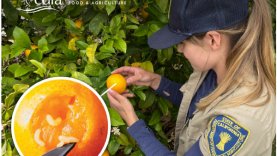
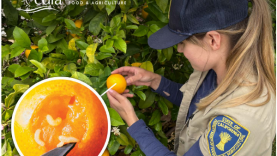
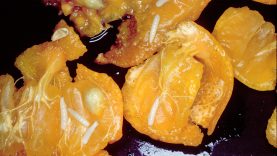
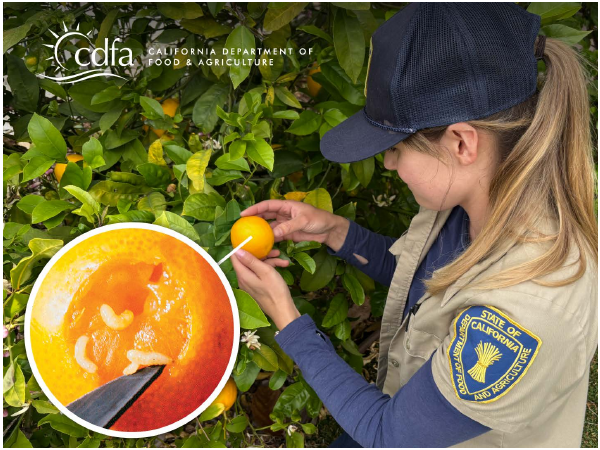
Invasive species such as the Mediterranean fruit fly, Mexican fruit fly, and Oriental fruit fly are not native to California and have no natural predators here. Females lay their eggs inside fruits and vegetables, and the larvae feed on the flesh after hatching. Infested fruit may look normal on the outside but reveal larvae or decay when cut open.
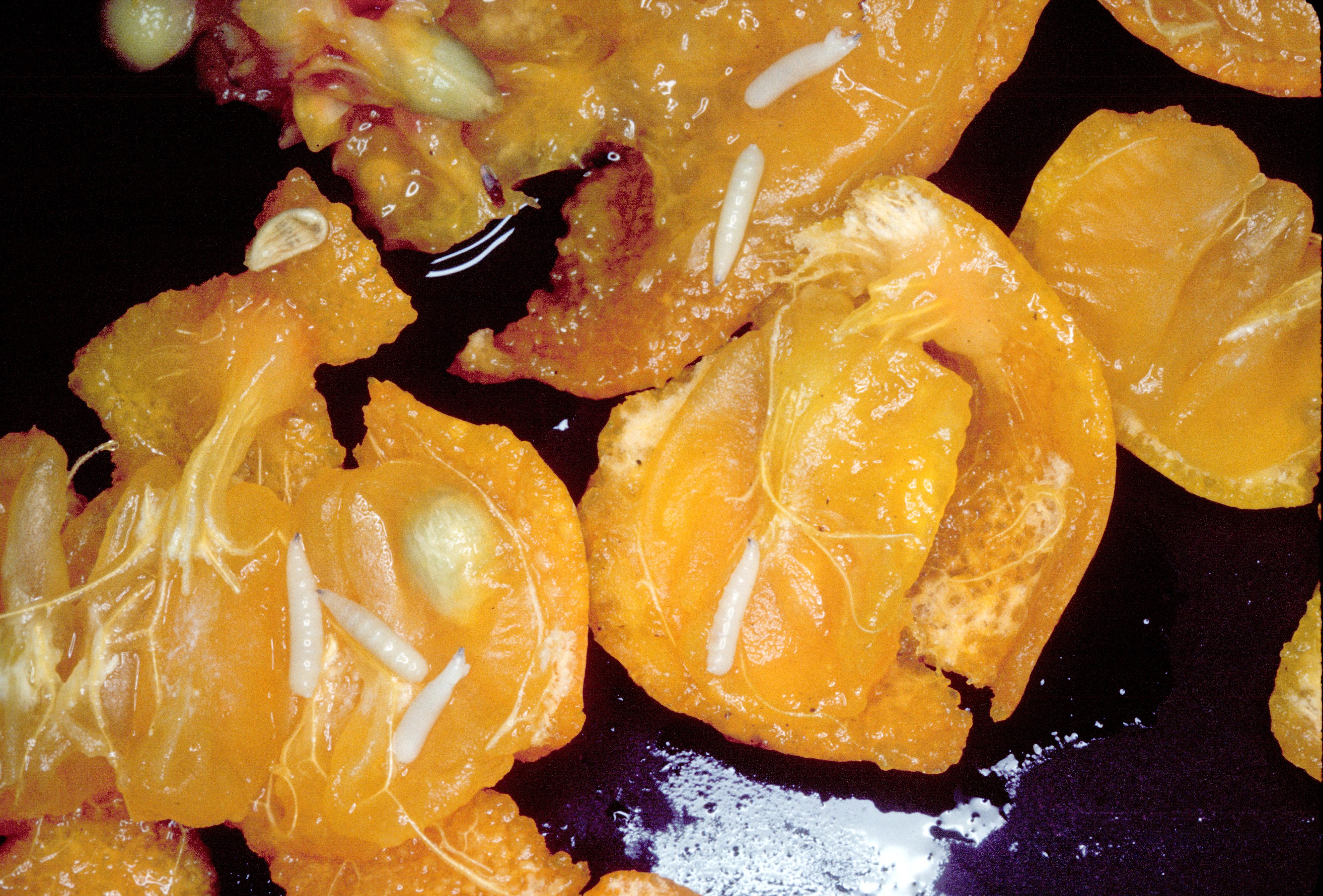
Victoria Hornbaker, director of CDFA’s Plant Health and Pest Prevention Services Division, said invasive fruit flies can damage more than 250 types of produce. California grows more than 400 specialty crops. If these pests become established, the effects could extend beyond commercial farms to backyard fruit trees, community gardens, farmers markets, and nurseries.
Invasive pests cause an estimated $40 billion in damage and related costs across the United States each year. In 2023, California experienced the most widespread invasive fruit fly outbreak in CDFA’s 100-year history, prompting seven quarantines at the same time.
As of the August 18 news briefing, California had successfully eradicated three quarantined infestations in 2026. However, two Mexican fruit fly quarantines remained in San Diego County, affecting more than 100 square miles.
Travel and Personal Shipments Can Spread Pests
Agricultural officials noted that many immigrant families, including families in Chinese American communities, have traditions of sharing fruits, seeds, and plants from their home regions. However, fruits, vegetables, plants, soil, and other natural materials may carry eggs, larvae, or plant diseases that are invisible to the naked eye.
Residents returning to California from another country or state should not bring fresh fruits, vegetables, plants, or soil without authorization. Anyone unsure whether an item is permitted should declare it to agricultural inspectors at the airport or border.
Friends and relatives should also avoid mailing homegrown fruits, vegetables, or plants to California in ordinary packages. Produce entering through commercial channels is generally inspected and treated according to agricultural safeguards, while private shipments may bypass those protections.
Jordan Petersen, a deputy agricultural commissioner for Los Angeles County, said an estimated 8 million packages enter California each day. Los Angeles County has 75 inspectors who place and monitor pest traps year-round, along with six agricultural detector dog teams that help screen suspicious packages at UPS, FedEx, and postal facilities.
The dogs do not detect the pests themselves. They identify packages that may contain fruits or plants by scent. Licensed agricultural inspectors then determine whether the items meet California’s entry requirements and examine them for pests or plant diseases.
Use Extra Caution When Buying Rare Plants Online
Huong Dang, an Orange County Agricultural Commissioner’s Office employee and avid gardener, said many immigrant families want to grow fruits and vegetables associated with their countries of origin. When certain varieties are difficult to find locally, some residents turn to Facebook Marketplace, Etsy, and other online platforms.
Plants from unverified sources may carry pests or diseases and may not be suitable for California’s local growing conditions. Consumers may also receive a different variety from the one advertised or become victims of fraud.
Agricultural officials recommend buying plants from reputable local nurseries. If a desired variety is unavailable, residents can ask whether the nursery can place a special order. Local nurseries are generally more familiar with regional growing conditions, and the plants they sell must meet applicable inspection and quarantine requirements.
Residents in Quarantine Areas Should Not Share Untreated Fruit
Abraham Lopez-Zuniga, leader of CDFA’s emergency response team, said that after an invasive fruit fly is detected, agricultural officials increase trapping, inspect fruit, and search for larvae to determine whether the pest is reproducing or spreading. Depending on the findings, officials may use targeted bait treatments, remove host fruit, or establish a quarantine.
Residents in a quarantine area should not give untreated backyard fruit to relatives or neighbors or move it outside the quarantine boundary. Fruit may be shared only after it has been processed, such as by juicing, cooking, or baking, and in accordance with local instructions.
Rotten or potentially infested fruit should be double-bagged, sealed, and placed in the regular trash. It should not be placed in a green-waste or compost bin, where larvae could continue developing and spreading.

Ding Ding TV Reminds Residents
Residents can help protect California agriculture and community gardens by taking the following steps:
- Do not bring fresh fruits, vegetables, plants, or soil into California from another country or state without authorization.
- Do not ask friends or relatives to mail homegrown fruits, vegetables, or plants to California.
- Use caution when buying rare plants or agricultural products through social media.
- Inspect backyard fruit trees and gardens regularly for unusual holes, decay, larvae, or unfamiliar insects.
- If your property is in a quarantine area, do not give away untreated produce or move it outside the quarantine boundary.
- Cooperate with agricultural inspectors who need to inspect produce, place traps, or carry out eradication work.
Residents who find an unfamiliar insect, unusually decaying fruit, or suspected larvae can call the CDFA Pest Hotline at 1-800-491-1899.
For information about agricultural items that travelers may or may not bring, visit DontPackAPest.com.
Stopping the spread of invasive fruit flies is not the responsibility of agricultural agencies alone. By taking extra care when traveling, shopping, mailing packages, and sharing homegrown produce, residents can help protect California’s farms, backyard gardens, and community food supply.